
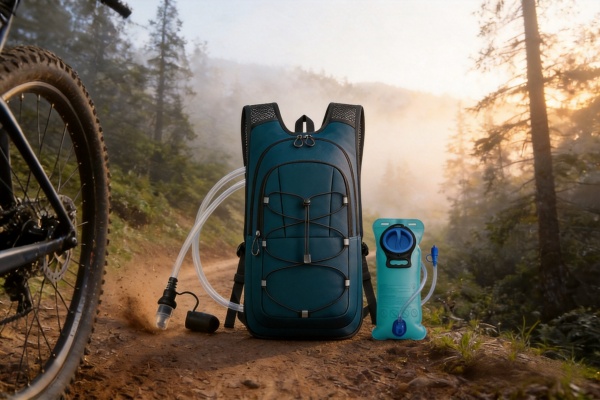
Hydration packs are built to carry water and let you drink conveniently without pausing or slowing down during activities like trail running, cycling and hiking. When shopping for one, prioritize models engineered for your sport, then evaluate fabric & build quality, fit, capacity, water reservoir performance and practical extra features.
1. Different Types of Hydration Packs for Different Sports
Cycling Hydration Packs
Road cycling hydration packs are compact and low profile to keep wind resistance low. Mountain biking versions are generally larger, with extra room for bike tools, spare layers and protective gear. Both styles feature slim hipbelts that will not hinder pedaling motion.
Running Vests
Running vests fit snugly against your torso. Compared with ordinary backpack style hydration packs, they feature multiple front shoulder pockets for soft flasks, energy snacks and smartphones. Most running vests skip full hipbelts. Many accept hydration bladders sold separately.
Hydration Waistpacks
Hydration waistpacks fasten around your hips. Most use separate water bottles rather than internal bladders, and they provide limited cargo volume for small item storage.
Hiking Hydration Packs
Hiking hydration packs feature thick, padded hip belts to transfer most weight to the hips for long time carrying, roomy multi compartment storage for jackets, rain gear and hiking supplies, thicker supportive back panels and shoulder padding, and they often come with trekking pole attachment points, with little concern for wind resistance.
2. Fabric & Construction Quality
Durable outer fabric delivers long term performance under moderate outdoor conditions and offers decent resistance against light rain. The mesh material used for back panels and shoulder sections must be tough enough for hours of continuous wear.
Super lightweight builds work best for hot weather outings or users seeking minimalist gear. A breathable back panel boosts comfort and supports cooling by improving airflow against your back. Padded hip belts and shoulder padding distribute load pressure, yet excessive padding can add bulk and extra weight.
Look for adjustable chest straps and side compression straps. These tighten the pack against your torso to reduce bouncing during running or bumpy rides.
3. Storage & Compartments
Consider internal volume and compartment layout. Well organized pockets help sort energy gels, phones, layers and small tools. Smart storage solutions include helmet carry attachments for cyclists and runners. Reflective details increase visibility for early morning or low light outings.
4. Hydration Reservoir (Bladder) Performance
Water weighs roughly 2 pounds per liter. Think about how much liquid you genuinely require and whether refill points exist along your route. You never need to fill the bladder completely: use partial fills to cut weight for short trips, and full fills for long, hot weather adventures.
Prioritize a reservoir with a large opening for easy filling, cleaning and drying. Some bladders only have tiny openings that make thorough cleaning and drying difficult. Secure hose attachment is another must have feature.
Many budget designs use chest strap magnets to hold the drinking tube. Magnetic fasteners frequently fail, leaving the tube dangling and interfering with arm movement. Better routing stores the shorter hydration tube along the shoulder strap instead of relying on chest strap magnets.
Check bladder waterproofing and material durability to avoid leaks. Additional desirable reservoir features include bite-valve on-off switches and quick-disconnect tubing.
5. Torso Length and Waist Size
Do not select size purely based on overall height. Torso length is the key measurement for most hydration packs. Many models come in multiple sizes (XS-L), while others adopt adjustable suspension systems to fit people between standard sizes.
For packs equipped with hip belts, check the waist size range listed on product specifications. Women specific hydration vests and packs feature shorter, narrower torso dimensions and contoured hipbelts shaped for female body shapes. Youth-oriented designs offer smaller total capacity plus adjustable suspension to fit growing kids.
Final Checklist before Purchase
- Confirm the pack is designed for your primary activity (running, mountain biking, road cycling or hiking).
- Verify torso length and waist size compatibility.
- Balance total weight against needed water and gear capacity.
- Inspect reservoir opening size, hose routing and bite valve quality.
- Evaluate storage pockets, helmet carry points and reflective safety features.
- Weigh trade offs between padding comfort versus overall bulk.