
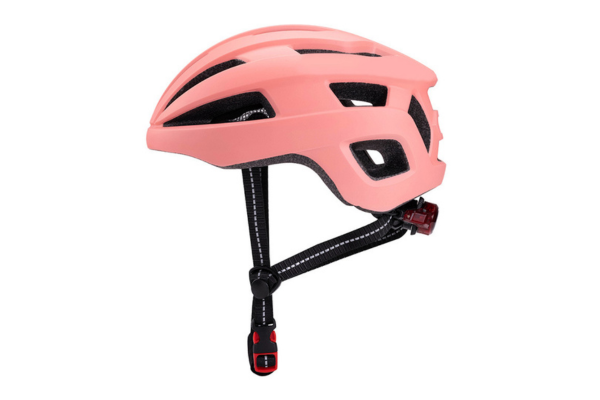
Most cyclists treat their bike helmets as lifelong gear, keeping them for years without a second thought. However, a helmet is not a permanent accessory but a critical safety consumable with a limited service life. Even without visible cracks or damage, helmets gradually lose protective power over time. To answer the key question—when should a bike helmet be replaced.This article breaks down the core causes of helmet degradation and shares authoritative industry replacement standards for all riders.
Core Causes of Bike Helmet Performance Degradation
1. Ultraviolet (UV) Radiation Damage
Bike helmet performance declines mainly due to five long-term environmental and usage factors, all of which slowly erode the core protective structure of helmets. The first and most common factor is ultraviolet (UV) radiation from sunlight. For daily outdoor riders, prolonged exposure to direct sunlight breaks down the molecular structure of the helmet’s outer plastic shell and inner EPS foam. Over months and years, the materials become brittle, prone to tiny invisible cracks, and lose their ability to absorb impact force effectively.
2. Sweat Corrosion and Internal Deterioration
Human sweat accelerates helmet aging. During cycling, sweat seeps into the helmet’s inner padding and porous EPS foam. The salt and moisture in sweat cause gradual chemical corrosion to the foam layer and weaken the bonding between the shell and inner liner. Unlike surface dirt, this internal damage cannot be cleaned away, steadily undermining the helmet’s structural stability.
3. Extreme and Fluctuating Temperatures
Extreme and fluctuating temperatures speed up performance degradation. Many riders leave their helmets in parked cars in summer or expose them to cold outdoor environments in winter. High heat softens EPS foam, while extreme cold makes it stiff and fragile. Repeated temperature changes create material fatigue, greatly reducing the foam’s shock-absorbing capacity in accidental crashes.
4. Frequent Usage and Accumulated Wear
Usage frequency directly shortens a helmet’s service life. Casual weekend riders put far less wear on their helmets than daily commuters or long-distance cycling enthusiasts. Frequent use means continuous friction, minor bumps, and constant exposure to external elements, accumulating subtle damage that impairs protective performance over time.
5. Natural Aging of Core EPS Foam Protection
Fundamentally, all these external factors affect the helmet’s core protective material—EPS foam. As the key shock-absorbing layer of bike helmets, EPS foam undergoes natural aging after years of use. Its internal porous structure gradually collapses and hardens, losing the elasticity